
Bulk Bag Filling Systems
Start with a practical filling station. Add the capabilities your process needs.
Fill bulk bags with powders, granules, and pellets using a station matched to your material, production target, and available space. Compare simple fillers with semi-automatic systems for weighing and bag handling.
- Simple fillers for operator-managed bag handling
- Semi-automatic systems for more coordinated filling and discharge
Local application support for North & South Carolina.
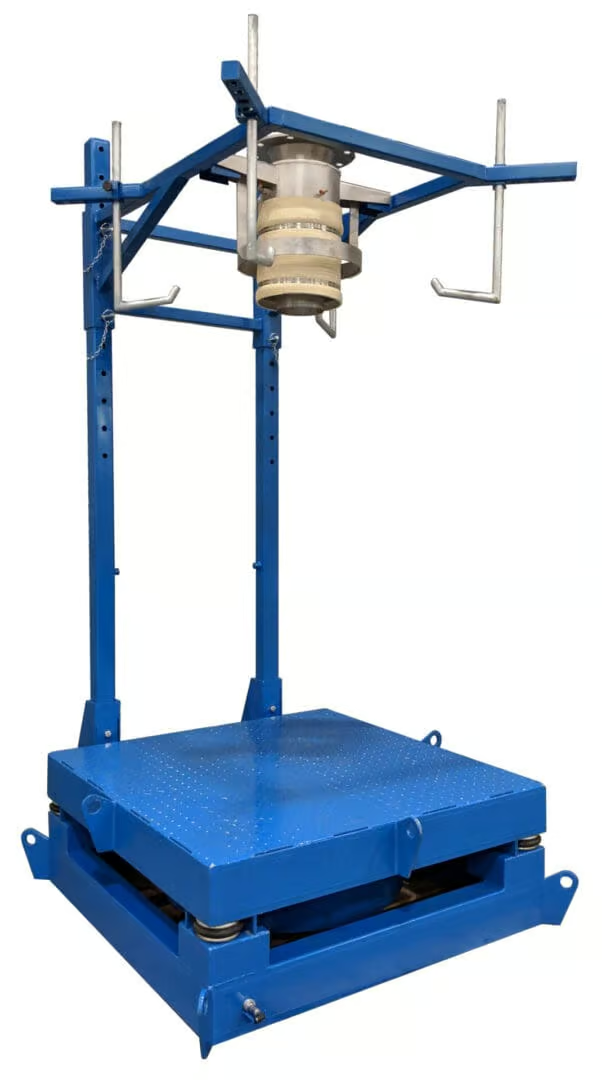
Two approaches to bulk bag filling.
Start with how you want to load, fill, and remove the bag. Then select the weighing, dust control, and material delivery equipment around that workflow.
Simple Bulk Bag Fillers
A straightforward station when operators can hang the bag, connect the spout, and coordinate filled-bag removal.
- Adjustable frame and bag supports
- Inflatable spout seal and displaced-air venting
- Options for weighing, vibration, and alternate containers

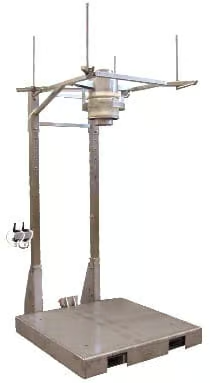
Semi-Automatic Fillers
Coordinate weight-based filling and selected handling steps when repetitive tasks or bag transfer are limiting production.
- Operator attaches the empty bag
- Integrated fill controls and weighing
- Bag release and conveyor options
Simple handling can still include weighing. Manual bag attachment does not mean the fill must be unweighed. Specify bag handling, weight control, and discharge as separate parts of the system.
Simple or semi-automatic?
| Consideration | Simple filler | Semi-automatic filler |
|---|---|---|
| Bag setup | Operator positions the bag, attaches loops, and connects the spout. | Operator attaches the bag; access and support mechanisms can assist setup. |
| Fill control | Manual control or an optional weighing and batch-control package. | A coordinated weighing and control package manages the filling sequence. |
| Bag removal | Operator disconnects the bag; removal method suits the pallet and layout. | Selected loop-release and conveyor functions can assist discharge. |
| Where it fits | A dedicated filling point, flexible use, or a budget-conscious installation. | Repeated filling cycles where handling delays justify additional equipment. |
| What drives the decision | Bag accessibility, material supply, fill-weight needs, and available labor. | Full cycle time, upstream supply, transfer space, and discharge availability. |
There is no universal bags-per-hour cutoff between these approaches. Evaluate the complete cycle, including attachment, filling, settling, closure, and removal.
A simple filler can be part of a complete system.
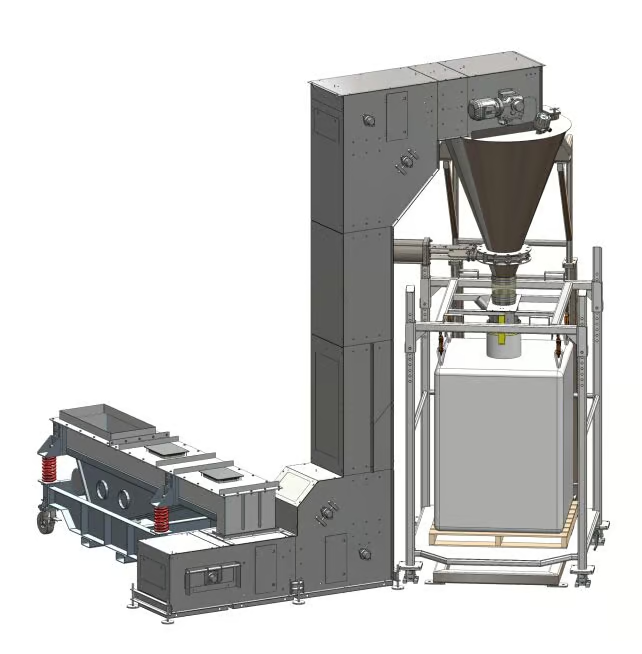
Connect the material source to the bag.
The filler is the final receiving point. Material delivery, a receiving hopper, and the fill connection need to work together so product reaches the bag at a suitable rate.
This layout illustrates an integrated feeding, elevating, and filling arrangement. The simple filler page includes this example and a separate unloading, mixing, and filling layout.
Look beyond the filling frame.
Material delivery
Match the feeder or gravity supply to product flow and the required filling rate. A faster filler cannot overcome an inconsistent material supply.
Weight & cut-off
Define target weight and acceptable variation. The weighing arrangement, flow control, and material still in flight all affect the final fill.
Air & bag condition
Plan a route for displaced air and evaluate settling needs. Bag inflation and product densification serve different purposes.
Also plan the last step: who closes the bag, how it leaves the filling position, and where the next empty bag and pallet wait.
Plan the complete filling cycle.
Filling capacity planner
Enter your target weight and required completed bags per hour.
Example: six 2,000 lb bags per hour require 12,000 lb/hr of average production and a 10-minute average interval between completed bags.
Planning arithmetic only—not a machine rating. The feeder's required rate while filling will be higher if setup, settling, closure, or removal occupy part of the cycle. Parallel tasks and accumulation also affect system design.
What to send with your inquiry
- Material & flowProduct, bulk density, flow behavior, dust characteristics, and SDS if available.
- Bag & palletBag dimensions, spout and loop details, liner, target fill weight, and pallet size.
- Production targetBags per hour or shift, batch schedule, weight tolerance, and product changeovers.
- InstallationAvailable headroom, material inlet elevation, floor space, utilities, and bag removal route.
Bulk bag filling FAQs
What is a bulk bag filler?
A bulk bag filler supports a flexible intermediate bulk container (FIBC) and directs dry material through a fill head into the bag. Depending on the configuration, it can include weighing, dust venting, bag inflation, and settling equipment.
Can a simple filler fill to a target weight?
Yes, a simple station can be configured with a scale and suitable controls. Agree on whether the operator stops filling or whether a controller signals the feed device to stop at the target.
How do I know whether semi-automatic handling is worth it?
Identify the slowest part of the current cycle. If bag transfer or repeated handling tasks create delays, assisted release and conveyors may help. If product arrives too slowly, increasing handling automation alone will not resolve the bottleneck.
What determines the price?
Construction, bag dimensions, target weight, weighing, vibration, controls, and conveying scope all affect cost. A standalone filling frame and an integrated filling system are different quotation scopes.
Can a filler connect to my existing equipment?
A station can be configured around an existing material source where the layout and operating requirements allow it. Send the outlet height, available flow rate, connection dimensions, and a photo or drawing for review.
Find the right level of filling equipment.
Tell us what you are filling, the target bag weight, and the required rate. We will help define a practical scope for your process.