

Industrial magnetic separators
Bunting Magnetic Separation Equipment
Remove ferrous contamination, protect processing equipment and improve product purity with magnetic separators engineered for food, pharmaceutical, chemical, mineral, ceramic, aggregate and powder-and-bulk processing applications.
CMT helps evaluate the material, flow conditions, contamination, cleaning requirements and available installation space before recommending equipment.
Correct application comes first
Magnetic Separation Is About More Than Gauss
A published gauss value does not tell the entire story. Separation performance also depends on magnetic field depth, gradient, product-to-magnet contact, material velocity, burden depth, particle characteristics and the ability of the magnet to retain captured contamination.
Larger tramp iron and very fine ferrous particles may require different magnetic materials, field depths and product exposure.
The separator must direct the material through or against the effective magnetic capture zone without creating unacceptable restriction.
Manual, manual self-cleaning, pneumatic and continuous self-cleaning options can reduce labor and production interruption.
Equipment overview
Find the Right Magnetic Separator for Your Process
Select a product family below or contact CMT for help matching the equipment to your material and installation.
High-intensity gravity-flow separation
HF Series Drawer & Filter Magnets
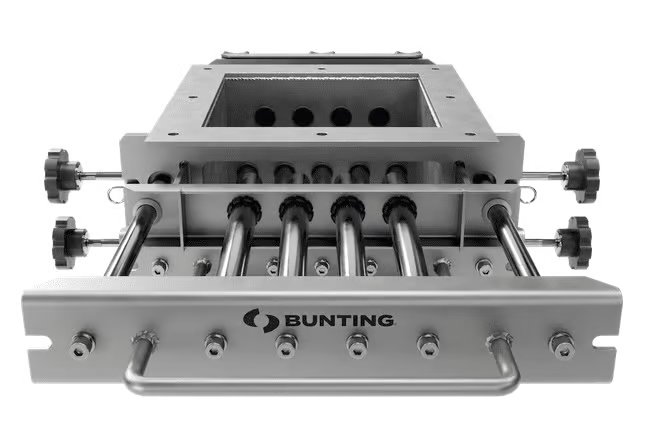
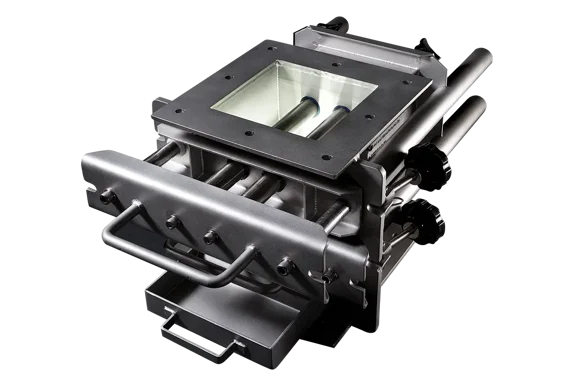
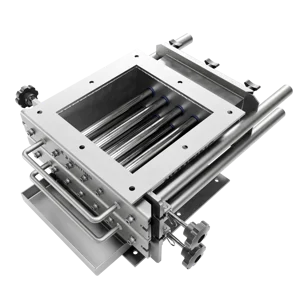
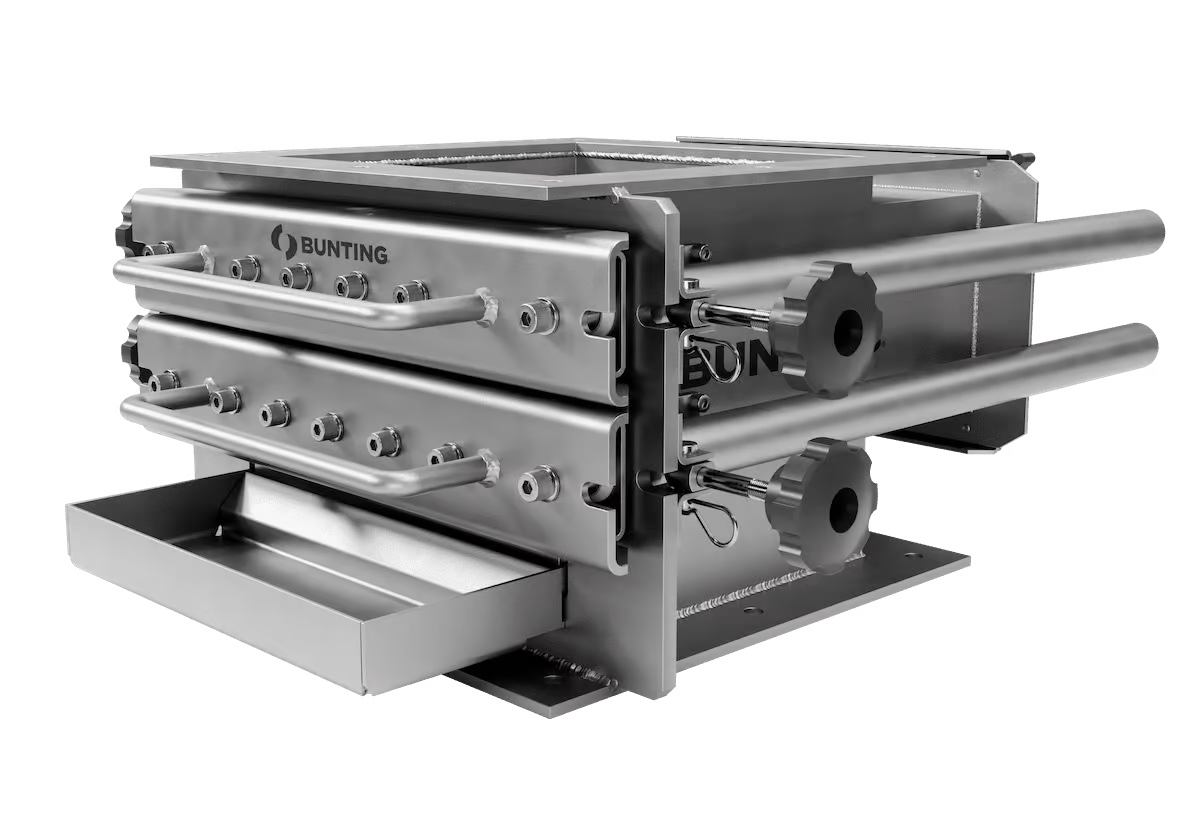
Bunting HF Drawer Magnets use rows of high-intensity magnetic cartridges to capture fine ferrous contamination from dry, free-flowing powders, granules and bulk ingredients. They are commonly installed beneath hoppers, storage bins, mixers, grinders and other gravity-fed process equipment.
The staggered arrangement forces material to pass close to the magnetic surfaces while providing multiple opportunities to capture and retain fine ferrous contamination.
HF Drawer cleaning configurations
Manual Standard Clean
Magnetic cartridges are manually removed and wiped clean during scheduled production shutdowns.
Manual Self-Cleaning
Stainless-steel sleeves or wipers simplify contaminant release and reduce direct cleaning labor.
Pneumatic Self-Cleaning
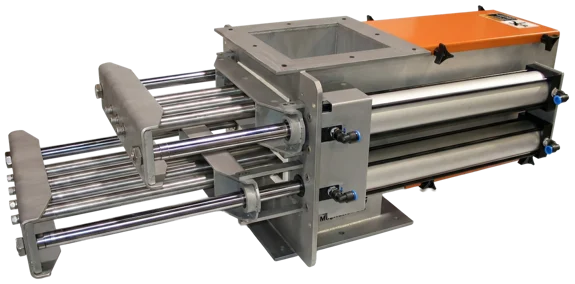
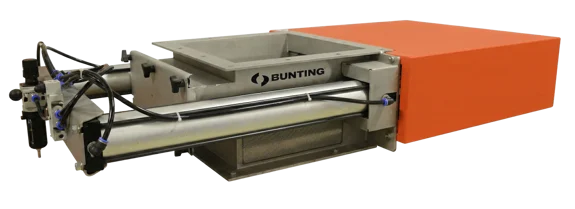
Air-operated cleaning automates cartridge withdrawal and contaminant discharge during a controlled cleaning sequence.
Continuous Self-Cleaning
Alternating magnetic circuits support continued production while one section completes its cleaning cycle.
Animated operation
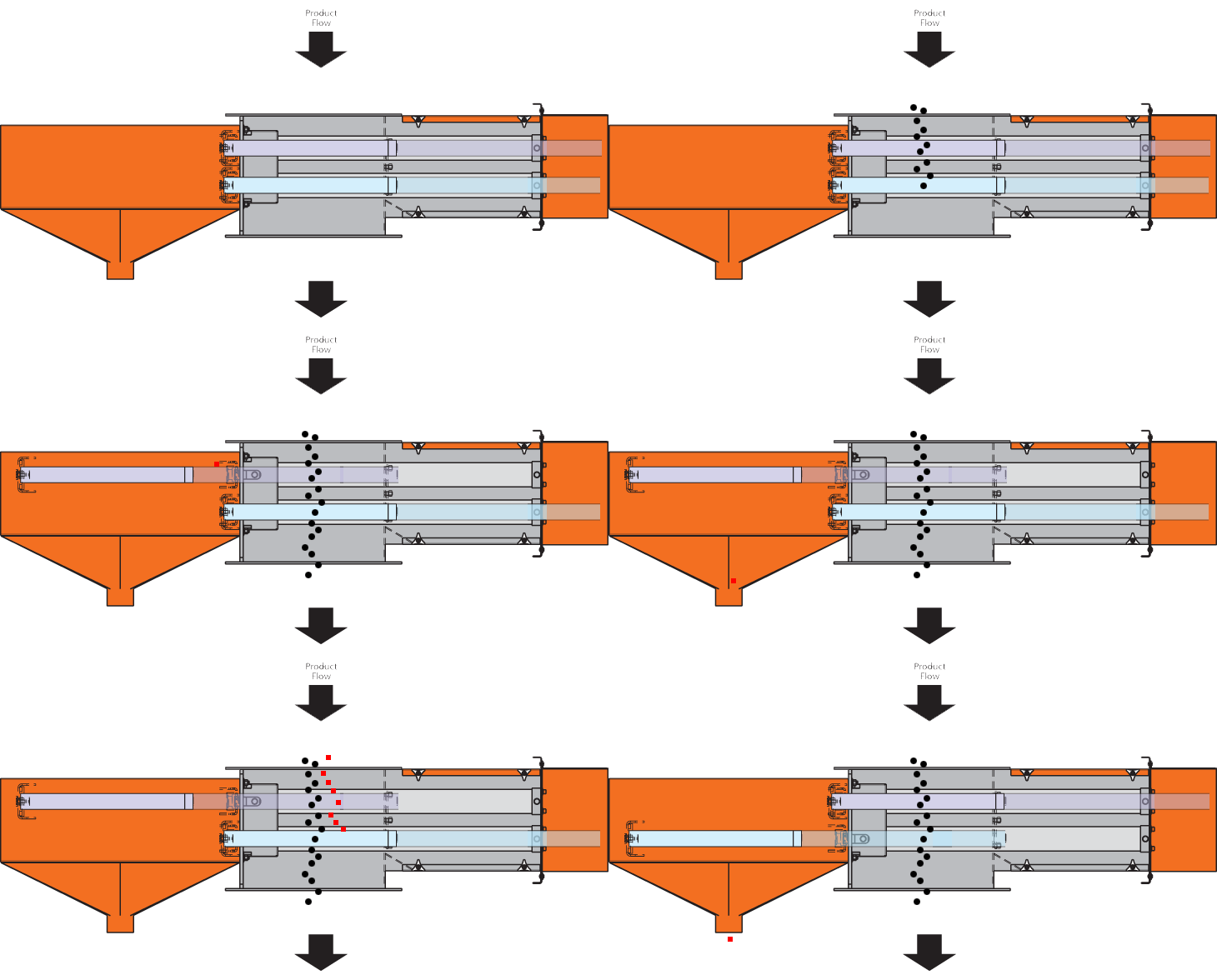
How a self-cleaning drawer magnet works
Automated models withdraw the magnetic elements from the product stream and release the collected metal into a designated contaminant-discharge area.
- Reduces hands-on cleaning labor
- Supports repeatable cleaning cycles
- Can improve operator access and safety
- Available in different automation levels
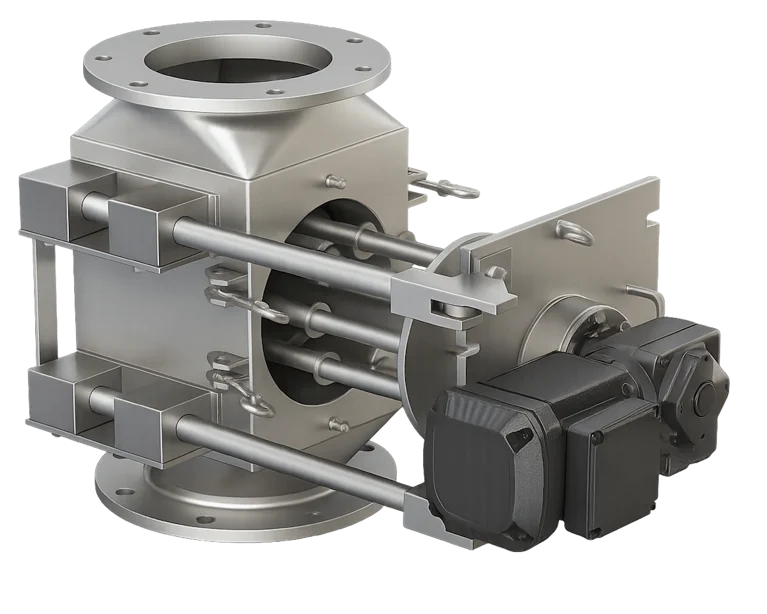
For difficult-flowing products
TurboGrate Magnetic Separator
The TurboGrate uses a motorized rotating magnetic assembly to keep cohesive, fatty, oily or moisture-sensitive products moving while exposing the material to high-intensity rare-earth magnetic rods. It is particularly useful when conventional stationary grate or drawer designs are susceptible to bridging or buildup.

Gravity, pressure and vacuum pipelines
Inline Magnetic Separators
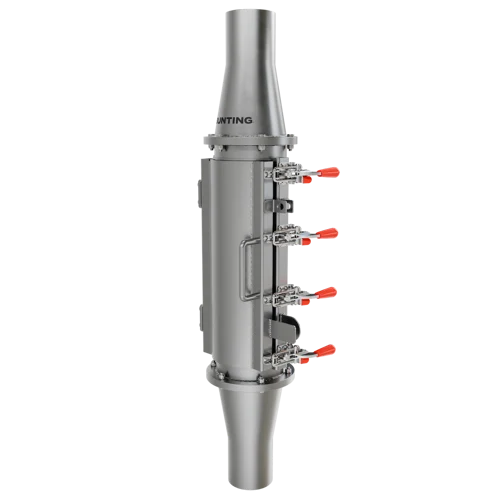
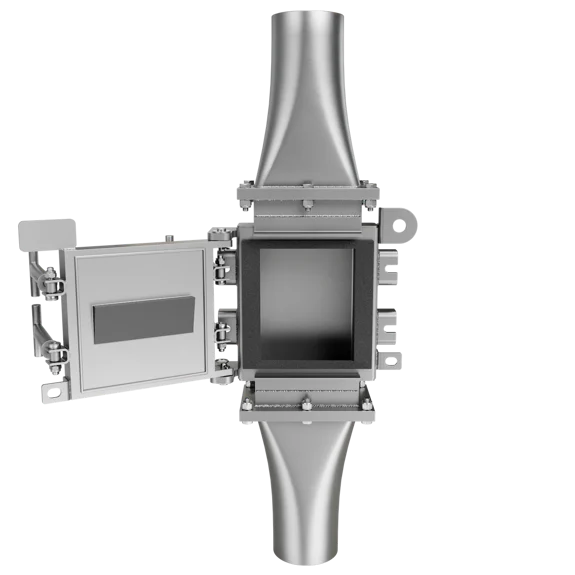
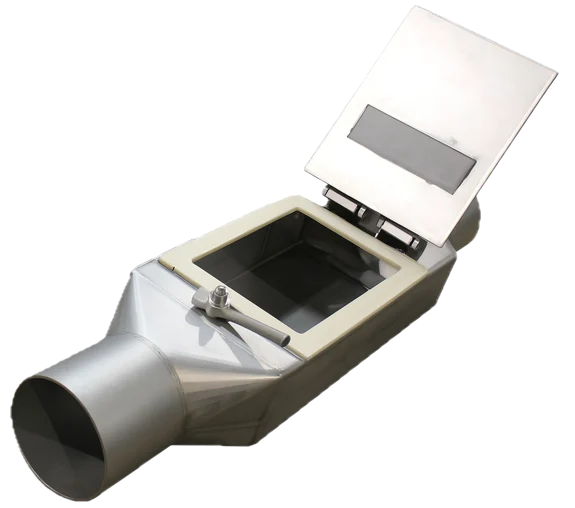
Bunting Inline Magnets remove ferrous contamination from products moving through process pipelines. Different internal arrangements are available for gravity-fed product, pneumatic conveying and high-volume bulk applications.
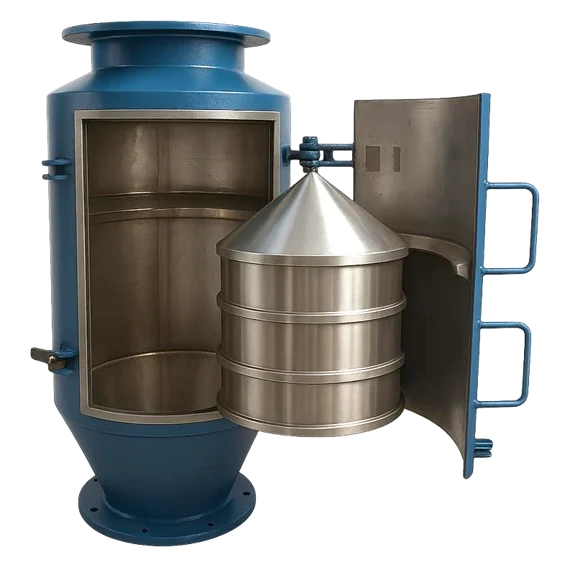
The Center Flow Magnet positions a magnetic cone or cartridge assembly in the middle of the housing so product passes around the magnetic element and receives broad magnetic exposure.
| Inline magnet type | Product movement | Magnetic arrangement | Typical application |
|---|---|---|---|
| Gravity Inline Magnet | Sloped or vertical gravity flow | Side-mounted plate magnet | Chutes, transitions and free-falling product lines |
| Pneumatic Inline Magnet | Pressure or vacuum conveying | Plate magnet within a pressure-capable housing | Powder and granule transfer through pneumatic pipelines |
| Center Flow Magnet | Gravity, pressure or vacuum | Central magnetic cone or cartridge assembly | High product exposure while maintaining surrounding flow area |
| HD Center Flow Magnet | High-volume gravity flow | Heavy-duty central magnetic body | Large tramp-metal protection in demanding bulk applications |
Pneumatic line protection
See the Pneumatic Inline Magnet in operation
The housing directs pneumatically conveyed material through the magnetic capture zone while providing access to remove retained ferrous contamination during scheduled cleaning.
- Pressure or vacuum conveying applications
- Horizontal, vertical or angled installation review
- Food-grade and sanitary options
- Custom pipeline transitions available
Versatile magnetic protection
Plate, Grate & Tube Magnets
These stationary magnetic elements provide a practical way to remove ferrous contamination from hoppers, bins, chutes, gravity-flow pipelines, conveyor discharge points and processing-equipment inlets.
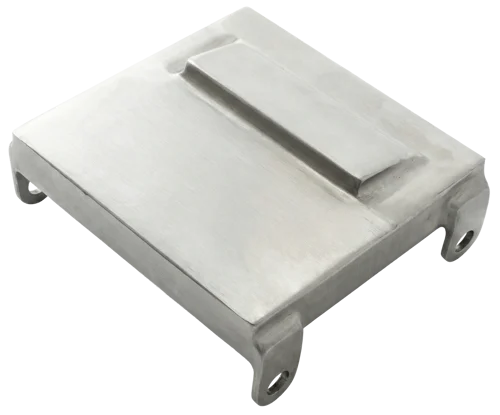
Plate Magnets
Mounted in chutes or above conveyors to capture large tramp iron and fine ferrous contamination from powders, grains, minerals and difficult-flowing products.
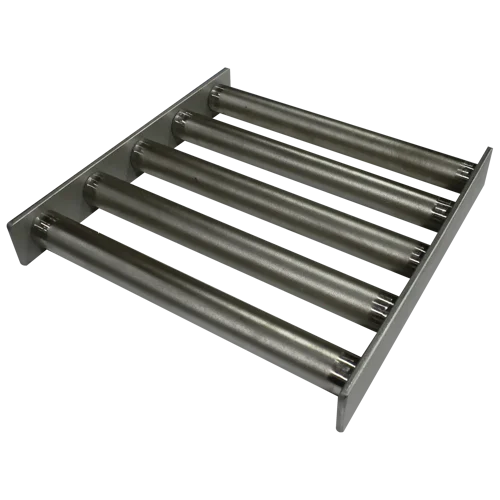
Grate Magnets
Arrays of magnetic cartridges installed in hoppers, bins and chutes to provide close product contact and capture fine iron.
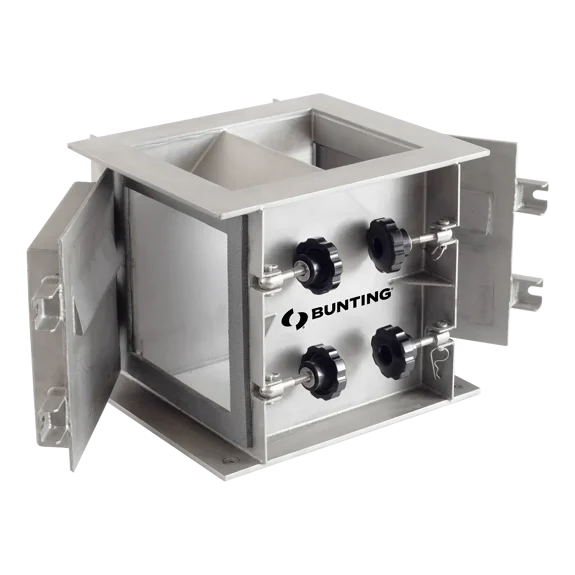
Plate Housing Magnets
Enclosed housings position plate magnets in a contained process line and support installation directly into spouting or equipment.
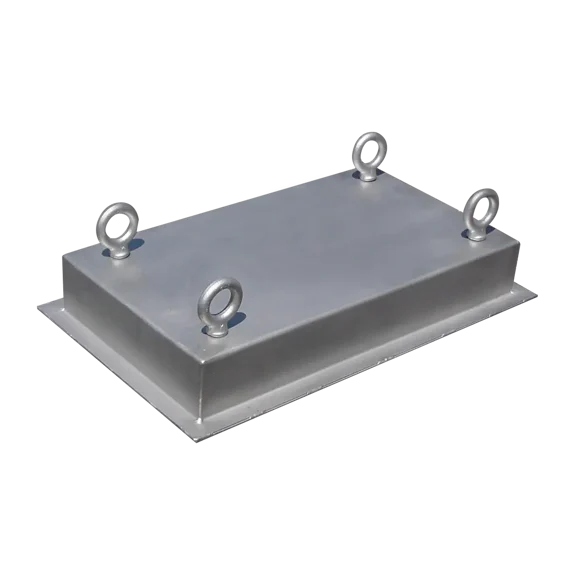
Suspended Food-Grade Plates
Installed over open conveyors or discharge points to remove ferrous objects and fines without restricting the product stream.
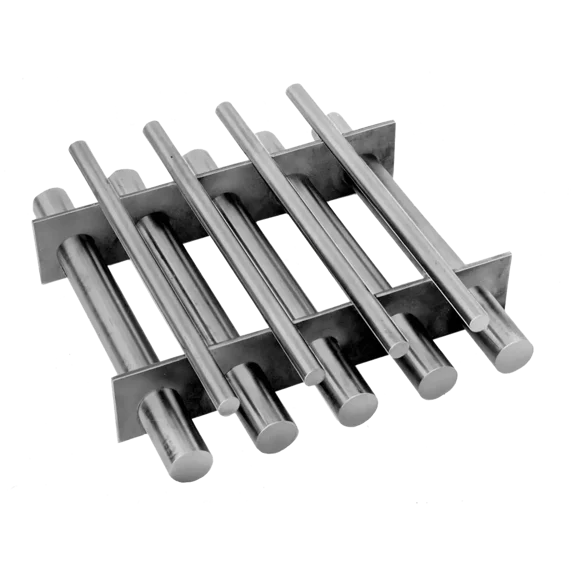
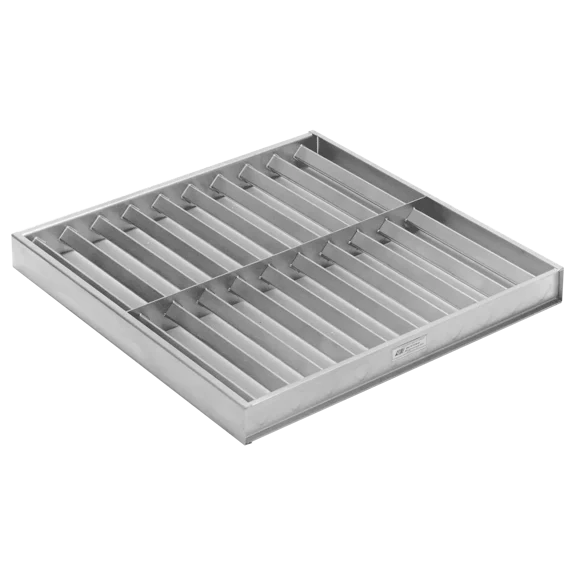
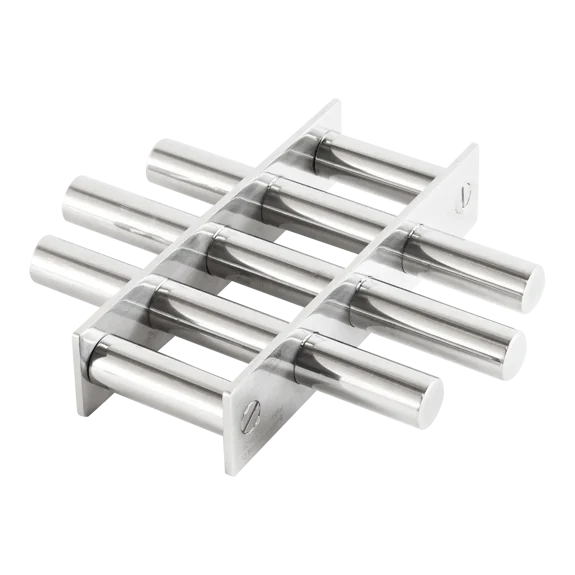
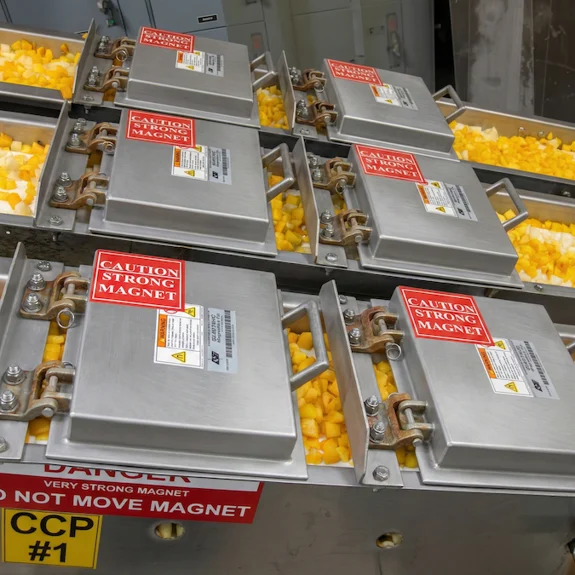
The product must flow across the magnetic face in a way that provides sufficient exposure and allows the magnet to retain captured contamination. CMT can review chute angle, flow trajectory and access before equipment selection.
Liquids, pastes and slurries
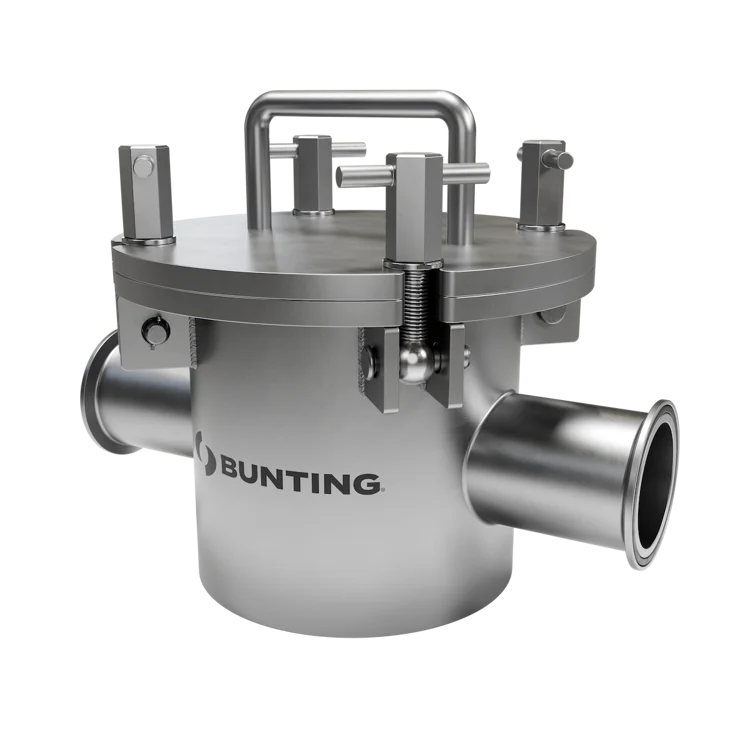
Liquid Magnetic Separators
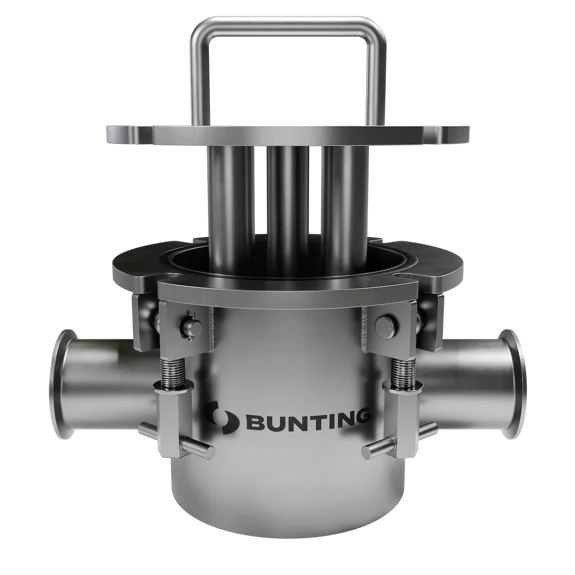
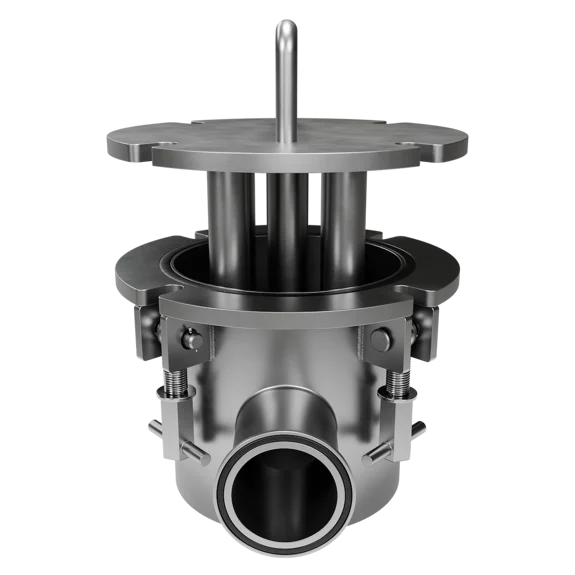
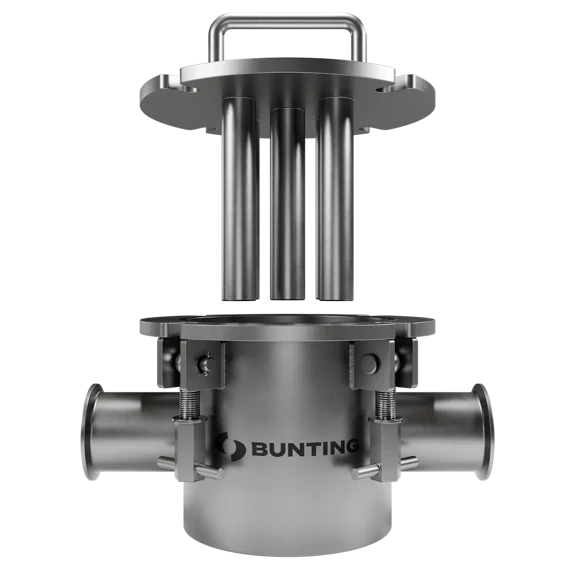
Bunting Liquid Magnetic Separators use high-intensity magnetic elements to capture ferrous contamination from products ranging from low-viscosity liquids to oils, sauces, pastes and chunky slurries. Sanitary product-contact construction supports demanding food, pharmaceutical and chemical applications.
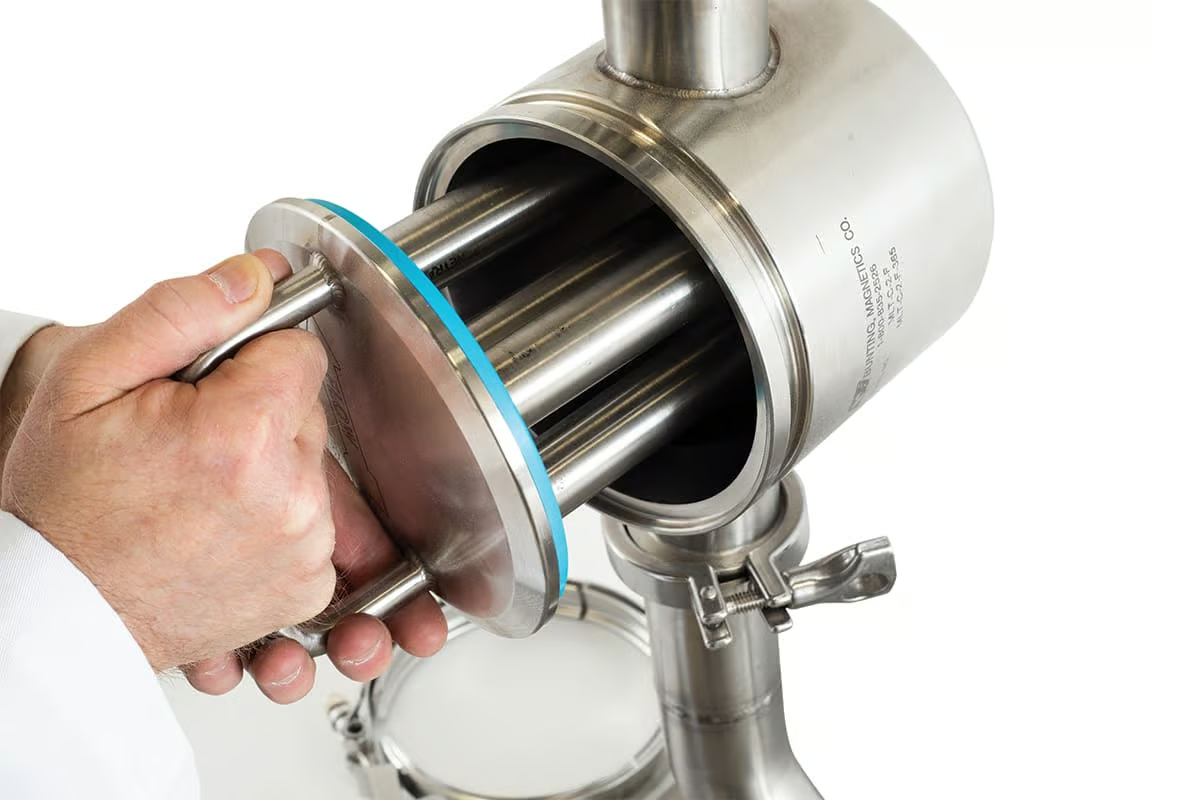
Product flow and capture
See the Liquid Magnetic Separator in operation
Product passes around the high-intensity magnetic elements, increasing exposure to the magnetic field before continuing through the process line.
- Dairy products and beverages
- Oils, sauces and syrups
- Soups and products containing particulates
- Chemical liquids, pastes and slurries
High-volume gravity flow
Hump Magnetic Separators
Hump Magnets direct material against powerful plate magnets as the product changes direction through the housing. The arrangement is well suited to high-volume, abrasive, clumpy, fibrous or difficult-flowing bulk products.
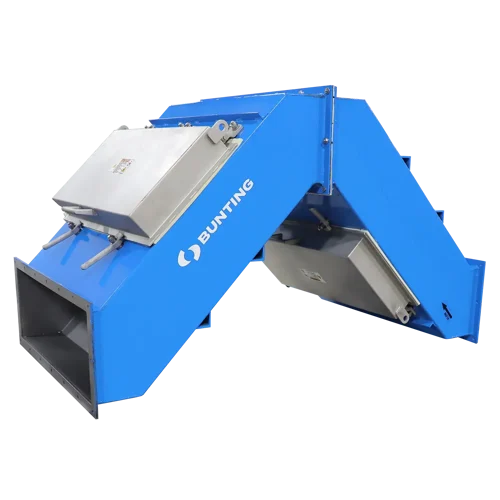
Full Hump Magnet
Two magnetic plates provide product contact as the material changes direction through the housing.
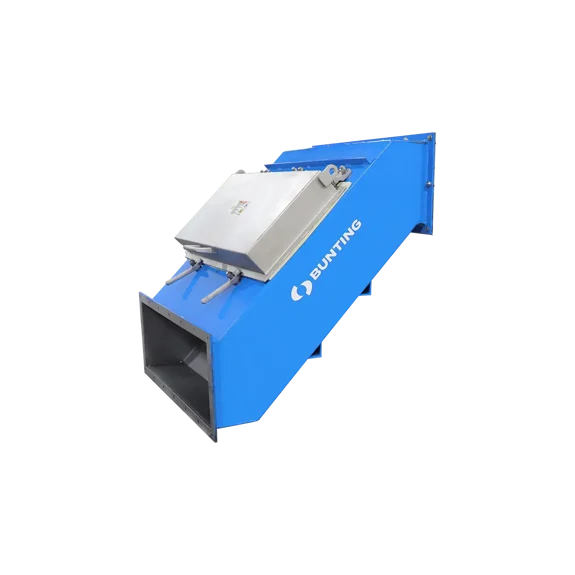
Half Hump Magnet
A compact configuration for applications with limited headroom or where a single magnetic plate suits the process.
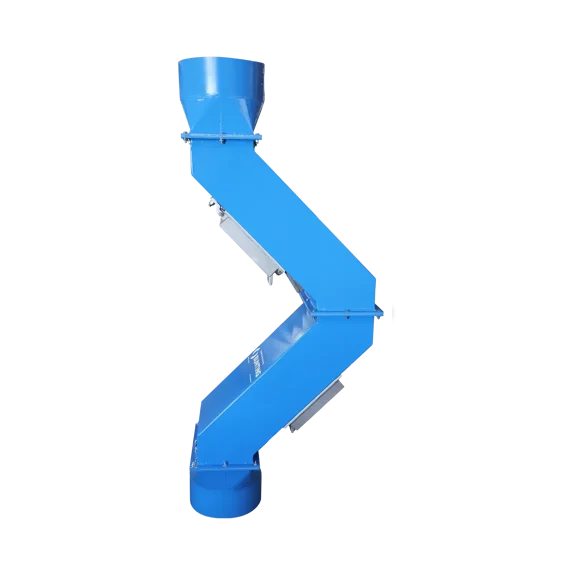
Round-Transition Hump
Custom round-to-rectangular transitions simplify integration into existing process spouting.
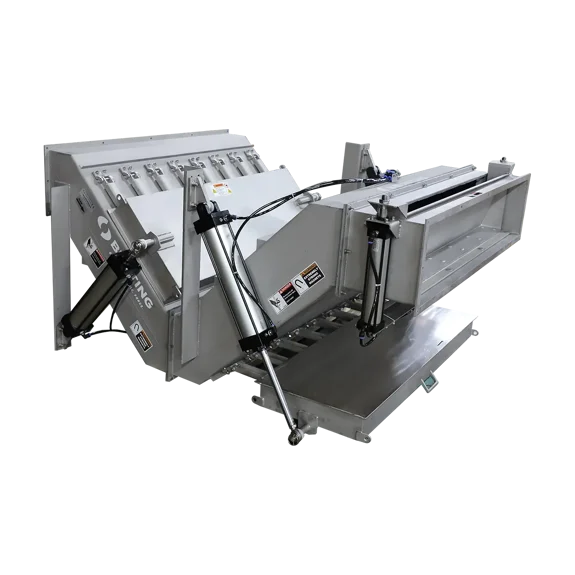
Pneumatic Hump Magnet
A pressure-capable arrangement for selected positive- or negative-pressure conveying applications.
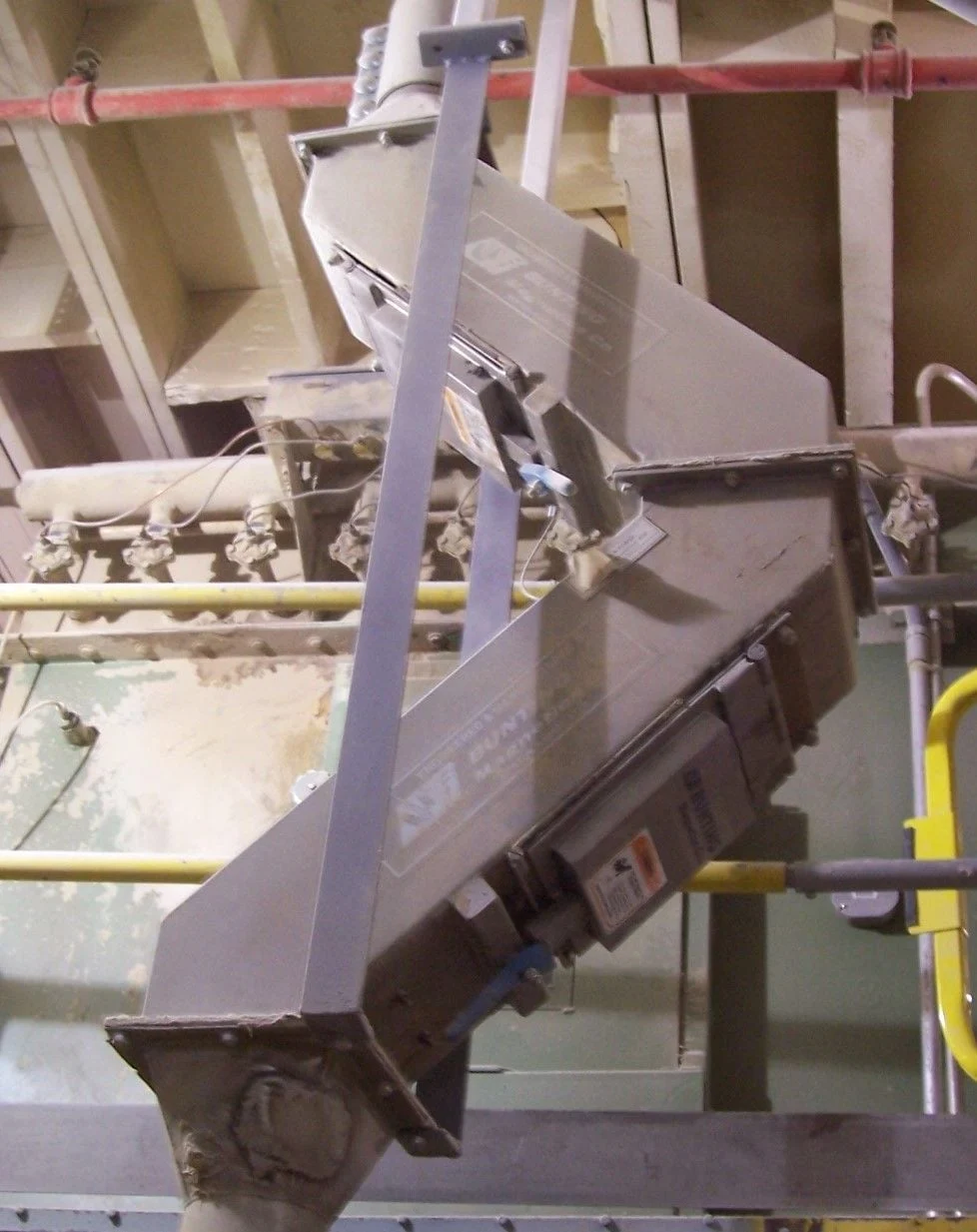
Installed Hump Magnet
Hump Magnets are commonly installed ahead of mills, grinders, mixers and other equipment vulnerable to tramp-metal damage.
Hump or Plate Housing?
CMT can compare flow direction, headroom, product behavior and cleaning access to determine the more appropriate design.
Continuous and conveyor-mounted separation
Magnetic Separation for High-Volume & Heavy Bulk Applications
Drum, suspended, overband and pulley magnets provide continuous or conveyor-mounted separation for grain, minerals, ceramics, biomass, aggregate, cement and other demanding bulk-material streams.
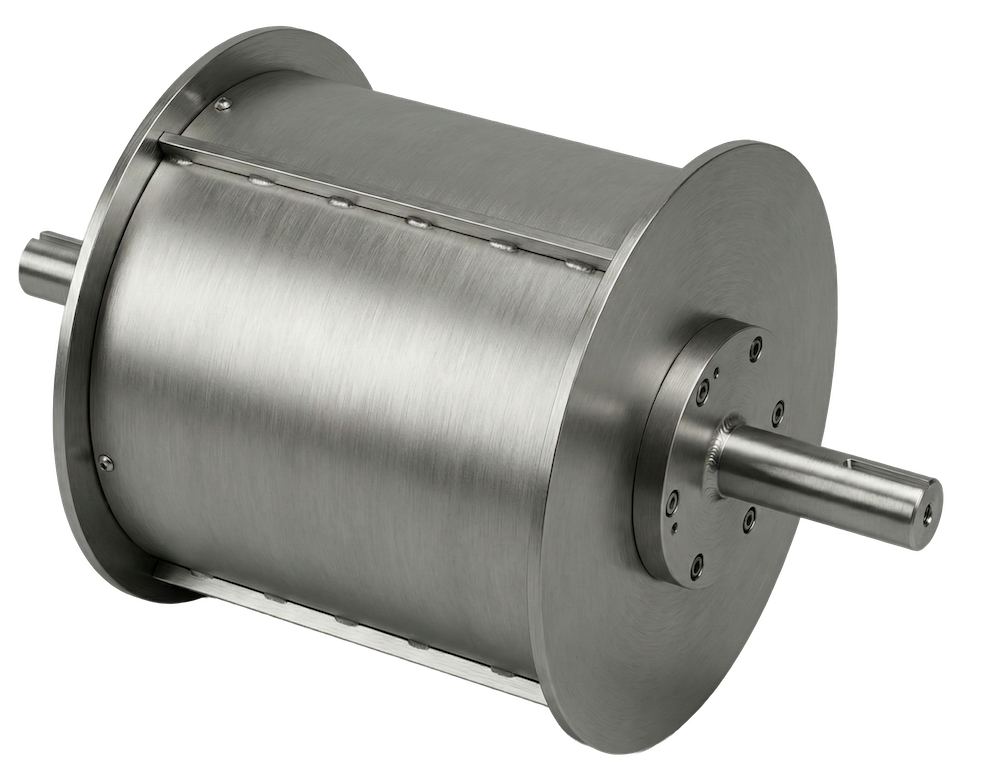
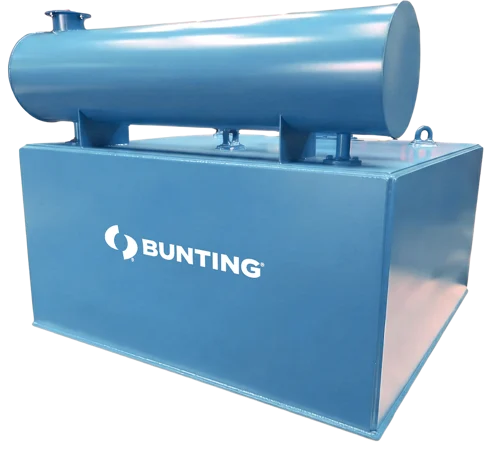
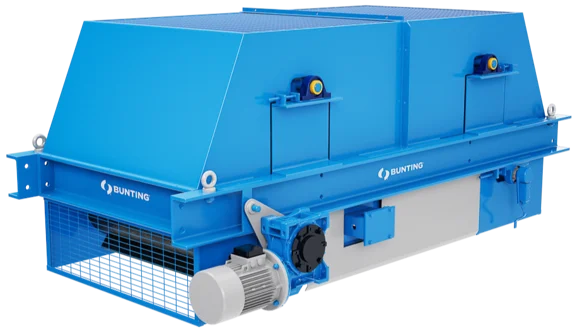
Drum Magnets
Continuously separate and discharge ferrous material from high-volume bulk product streams. A feeder is often used to create a controlled, evenly distributed material burden.
View drum magnet configurations
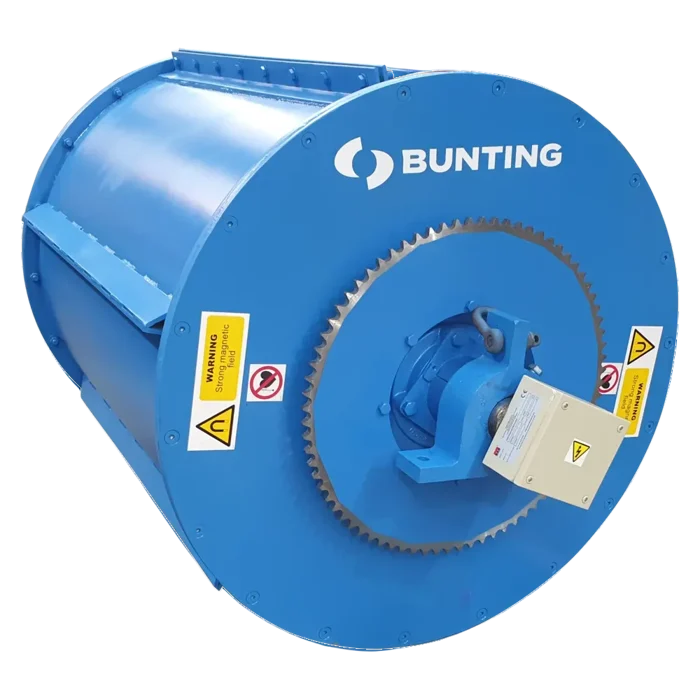


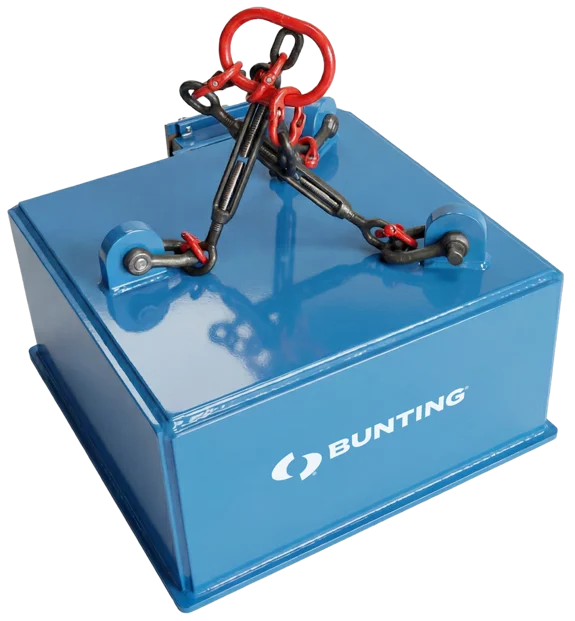
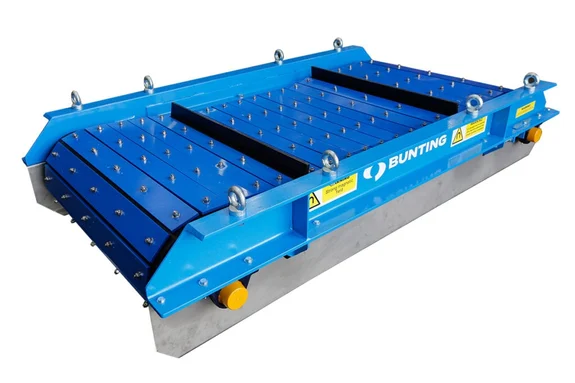
Suspended Magnets
Suspended above a conveyor to attract and hold tramp ferrous metal from conveyed bulk material. Permanent and electromagnetic versions are available.
View suspended magnet options
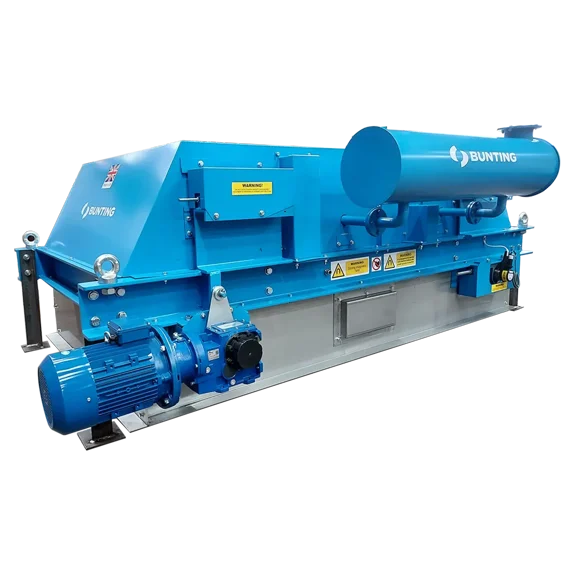
Overband Magnets
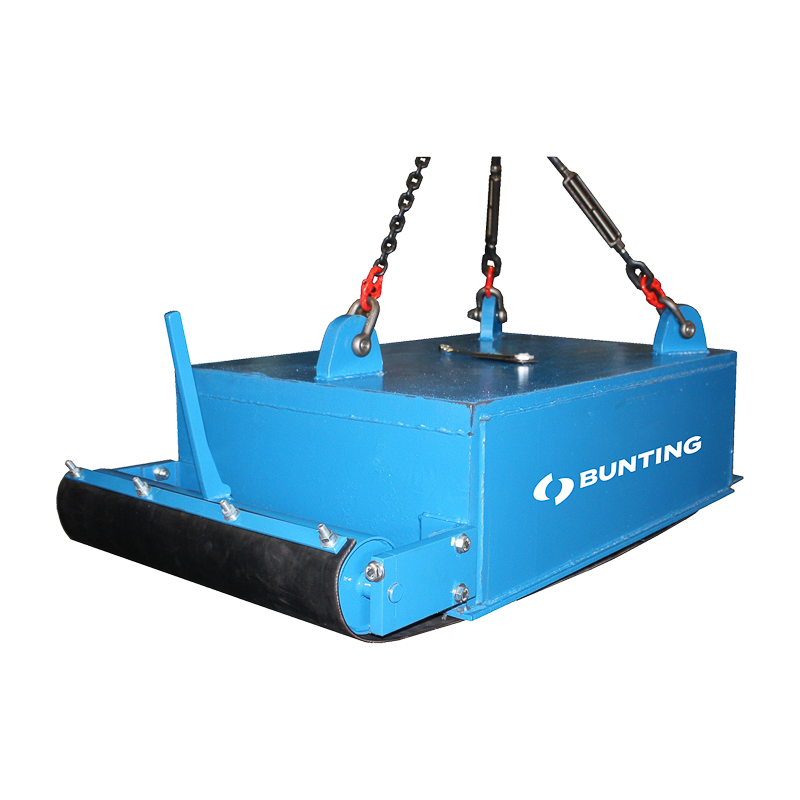
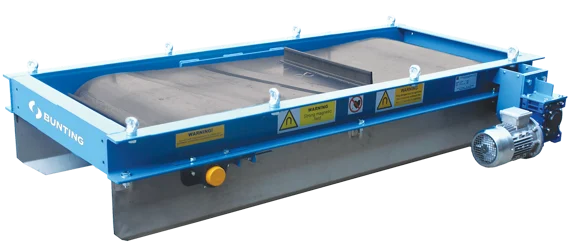
A continuously moving cleaning belt carries captured ferrous metal away from the product stream, allowing automatic contaminant discharge without stopping the conveyor.
Compare overband magnet designs
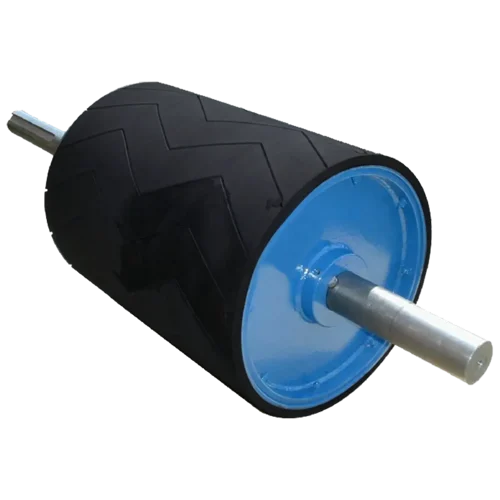
Magnetic Head Pulleys
Replace a conveyor’s standard head pulley to provide continuous ferrous separation at the discharge point without creating a separate transfer stage.
How magnetic pulleys separate material
Process-wide protection
Where Should a Magnetic Separator Be Installed?
The best location depends on whether the objective is incoming ingredient protection, equipment protection, intermediate purification or final product quality.
Capture contamination before it enters storage or the primary process.
Inspect ingredients as bags are manually emptied into the system.
Install at the discharge point or within the downstream transfer line.
Separate metal before material enters feeders or conveying equipment.
Use pressure- or vacuum-compatible inline magnetic separators.
Remove tramp metal before it can damage high-speed processing equipment.
Protect equipment and help prevent contamination from spreading through a batch.
Provide a final magnetic control point before filling or shipment.
Advanced material purification
Need More Than Conventional Tramp-Metal Removal?
Some mineral, ceramic, fine-powder and slurry applications require extremely high magnetic fields, multiple separation stages or separation based on differences in magnetic susceptibility or electrical conductivity.
Application review process
Selecting the Right Magnetic Separator
CMT and Bunting can evaluate your process details and recommend a separator based on real operating conditions rather than selecting equipment from gauss strength alone.
Define the Product
Product name, bulk density, particle size, temperature, moisture, viscosity, abrasiveness and flow characteristics.
Review the Process
Gravity flow, pressure conveying, vacuum conveying, liquid transfer, conveyor transport or another material-handling method.
Identify the Contamination
Expected particle size, metal type, contamination source and whether the objective is equipment protection or product purity.
Select and Integrate
Match the magnetic circuit, separator style, cleaning method, controls, transitions and maintenance access to the application.
Frequently asked questions
Magnetic Separation Equipment FAQs
What does a magnetic separator remove?
Magnetic separators primarily remove ferrous and magnetically susceptible contamination such as iron, steel and certain work-hardened stainless-steel particles. Actual capture performance depends on the contaminant, magnetic circuit, product flow and separator design.
Is a higher gauss rating always a better magnet?
No. Gauss is only one measurement. Effective separation also depends on magnetic field depth and gradient, product exposure, flow velocity, burden depth, contaminant size and the magnet’s ability to hold captured metal.
What is the difference between a drawer magnet and a grate magnet?
A grate magnet is an array of magnetic tubes installed directly in a hopper, chute or housing. A drawer magnet places one or more grate-style magnetic assemblies inside a purpose-built housing, often with improved cleaning, containment and connection options.
When should I use a Center Flow Magnet?
Center Flow Magnets are useful when powders or granules move through a gravity, pressure or vacuum pipeline and broad exposure to a centrally located magnetic cone or cartridge assembly is beneficial. The final selection depends on flow rate, product behavior, line size and contamination.
Can magnetic separators be used in pneumatic conveying systems?
Yes. Bunting offers Pneumatic Inline Magnets, Center Flow Magnets and selected pneumatic Hump configurations for pressure or vacuum conveying applications. The housing, seals, line size and operating pressure must be reviewed.
What magnetic separator works with sticky or bridging powder?
The TurboGrate is specifically designed for cohesive, moisture-sensitive, fatty or oily powders that may bridge around stationary magnetic tubes. Hump and plate configurations may also suit some difficult-flowing materials.
Can magnetic separators process liquids and slurries?
Yes. Liquid Magnetic Separators are available for dairy products, juices, oils, soups, sauces, pastes, chemicals and industrial slurries. Viscosity, flow rate, temperature, pressure and connection style must be considered.
What is the difference between a suspended magnet and an overband magnet?
Both are installed above a conveyor. A suspended magnet holds captured ferrous metal on its face until cleaning. An overband magnet includes a moving self-cleaning belt that carries captured metal away from the product stream for automatic discharge.
Can Bunting magnetic separators be retrofitted into an existing process?
Many models can be integrated into existing chutes, pipelines, hoppers and conveyors. CMT can review the available space, connection dimensions, access, structural support and material flow before recommending a retrofit arrangement.
Does CMT provide onsite support in North and South Carolina?
Yes. Carolina Material Technologies provides local application support across North Carolina and South Carolina, including site visits to review the process, contamination concern, installation point and surrounding material-handling equipment.
Start with your material and process
Find the Right Magnetic Separator for Your Application
Send CMT your product information, throughput, conveying method, connection sizes, operating conditions and contamination concern. We will help identify the appropriate Bunting magnetic separator, cleaning method and installation arrangement.