

Magnetic separation and metal detection
Bunting Magnetic Separation & Metal Detection Systems
Protect product purity, processing equipment and your reputation with engineered magnetic separators and industrial metal detection systems for food, pharmaceutical, chemical, mineral and powder-and-bulk processing applications.
Work directly with Carolina Material Technologies to evaluate your material, process, contamination risk and installation requirements.
Why metal control matters
Protect More Than the Product
Metal contamination can enter a process through incoming ingredients, equipment wear, maintenance activity or accidental introduction. The right separation and detection strategy helps prevent a small contaminant from becoming a costly production problem.
Protect Product Quality
Capture or reject metal before it contaminates another process stage or reaches the finished product.
Protect Equipment
Reduce the risk of tramp metal damaging mills, mixers, sifters, crushers, conveyors and packaging machinery.
Reduce Downtime
Address contamination before it causes equipment failures, extensive cleanup, line stoppages or unnecessary maintenance.
Protect Your Reputation
Strengthen your product-quality and contamination-control program for customers, auditors and internal quality teams.
Core capabilities
Bunting Solutions for Food & Bulk Processing
Bunting combines magnetic separation and industrial metal detection technologies to protect raw materials, intermediate products, processing equipment and finished goods.
Magnetic Separation Equipment
Remove ferrous and weakly magnetic contamination from gravity-fed, pneumatically conveyed, liquid and belt-conveyed product streams.
- Drawer, grate, plate and tube magnets
- Center Flow and pneumatic inline magnets
- Liquid magnetic separators
- Drum, suspended and overband magnets
- Manual and automated cleaning configurations
Industrial Metal Detection Systems
Detect ferrous, non-ferrous and stainless-steel contaminants in free-falling, conveyed, pneumatic, pumped or packaged products.
- Gravity-fall metal detectors
- Pneumatic metal detection systems
- Conveyor and tunnel metal detectors
- Inline liquid, paste and slurry detection
- Integrated reject devices and controls
Additional capability
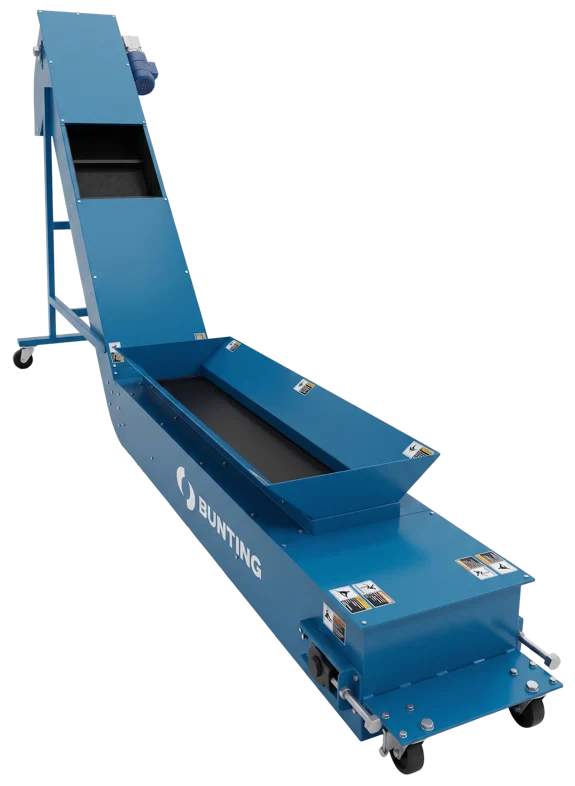
Specialty Conveyor Systems
Bunting also manufactures engineered conveyor systems for select food, processing and bulk-material applications. Conveyor solutions can be configured around product movement, magnetic separation, inspection and rejection requirements.
Available for selected applications. Contact CMT to review your process.Layered contamination control
Metal Protection Throughout the Entire Process
A strong metal-control strategy considers ingredient receiving, storage, conveying, processing, packaging and final inspection rather than relying on a single device at one point in the plant.
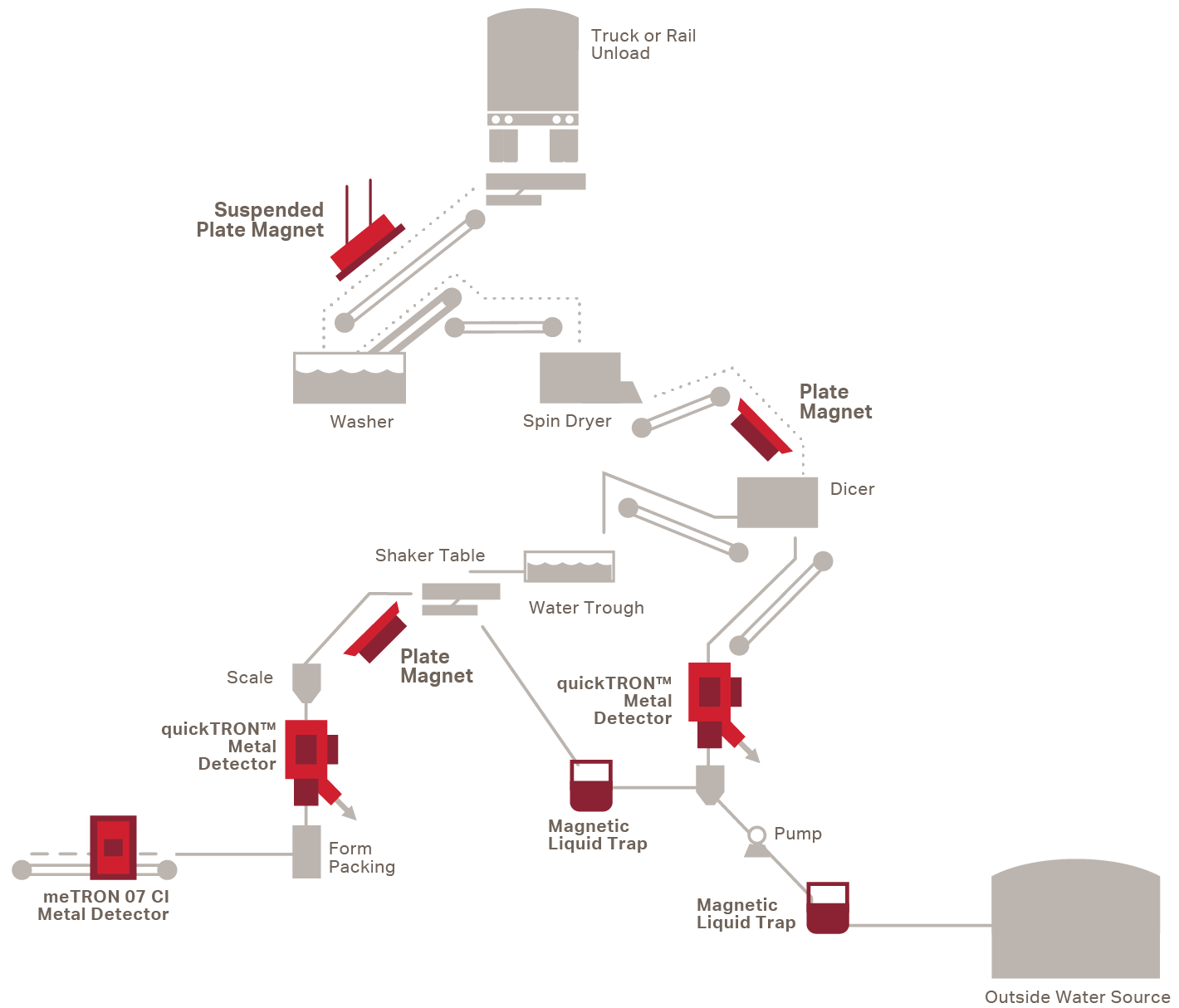
Protect Incoming Ingredients
Remove tramp ferrous metal at receiving, bag dumping, hopper discharge and ingredient transfer points.
Protect Processing Equipment
Position magnetic separators before mills, mixers, sifters, feeders and other vulnerable process equipment.
Inspect Finished Products
Use metal detection before or after packaging to detect a broader range of metallic contaminants and initiate rejection.
Featured magnetic separators
Match the Magnet to the Material and Process
Effective separation depends on more than gauss strength. Product flow, particle size, bulk density, temperature, conveying method, contamination type and cleaning access all influence equipment selection.
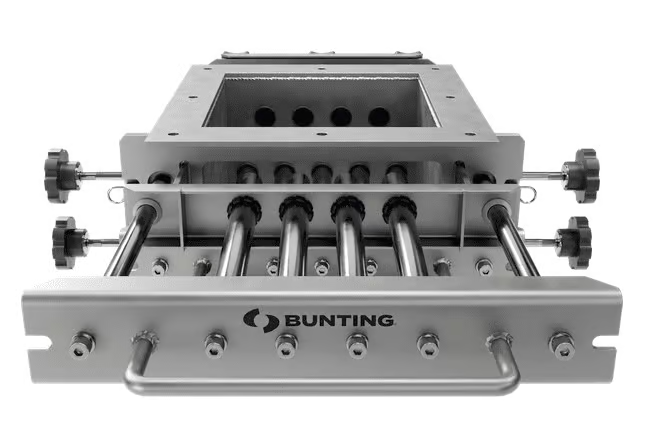
HF Series Drawer Magnet
High-intensity magnetic cartridges remove fine ferrous contamination from dry powders, granules and free-flowing bulk products.

Center Flow Magnet
A centrally positioned magnetic element exposes the surrounding product stream to a strong magnetic field while maintaining efficient material flow.

Pneumatic Inline Magnet
High-strength rare-earth magnets capture ferrous contamination from pneumatically conveyed products while supporting smooth product flow through the line.
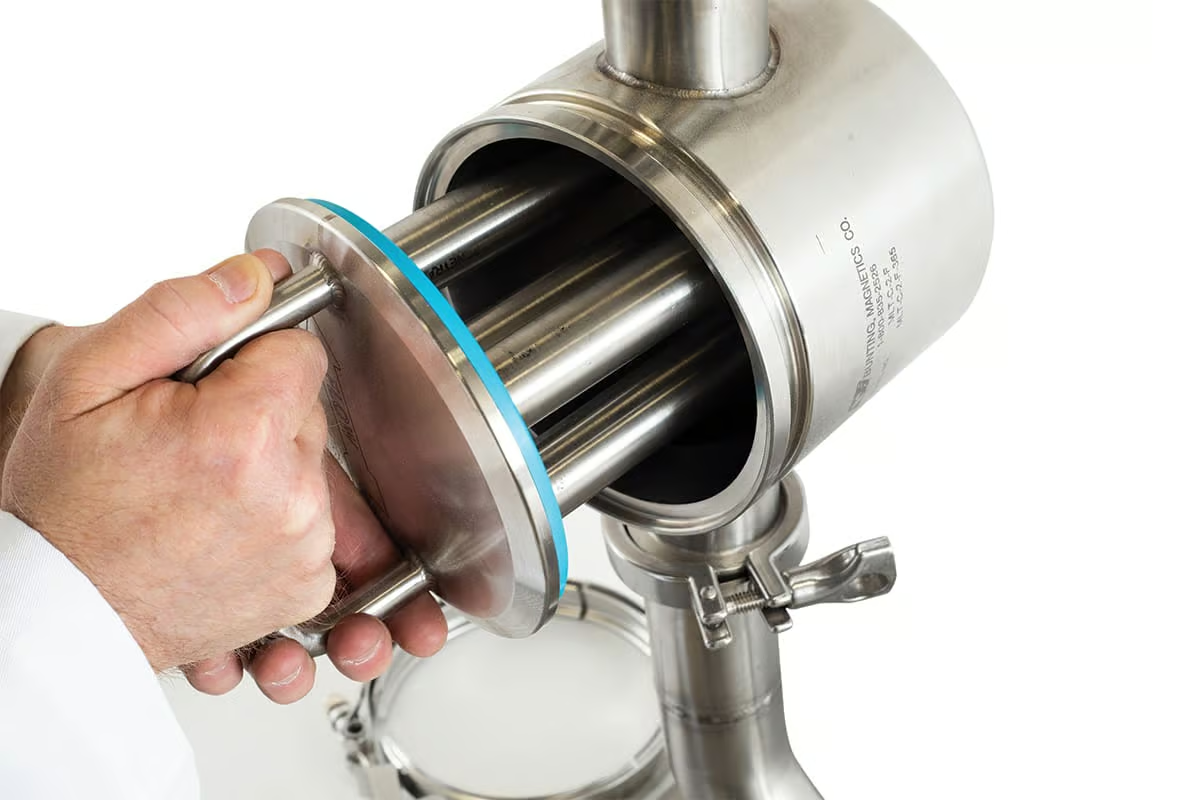
Liquid Magnetic Separator
High-intensity magnetic cartridges remove ferrous contamination from liquids, pastes and slurries in sanitary processing applications.

Permanent Drum Magnet
Continuous magnetic separation for high-volume ingredient, grain, mineral, ceramic and powder-and-bulk product streams.

Permanent Overband Magnet
Continuously removes large tramp ferrous metal from conveyed aggregate, mineral, biomass, wood and other heavy bulk materials.
Ferrous, non-ferrous and stainless steel
Industrial Metal Detection for Every Product Form
Metal detectors can inspect powders, granules, liquids, slurries, conveyed products and finished packages. When contamination is detected, the system can alert operators or activate an automatic reject device.
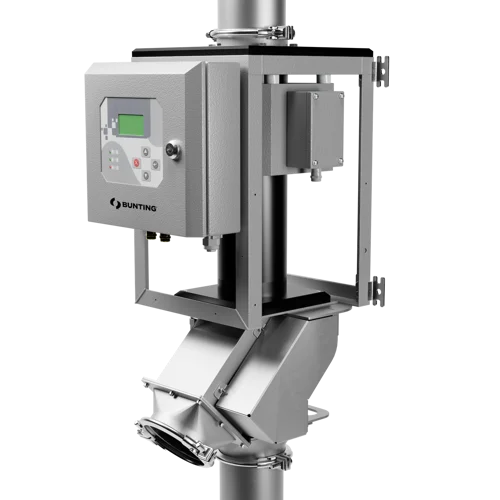
Gravity-Fall Metal Detection
Inspect free-falling powders, granules and dry ingredients in vertical process lines before packaging or transfer to the next process stage.
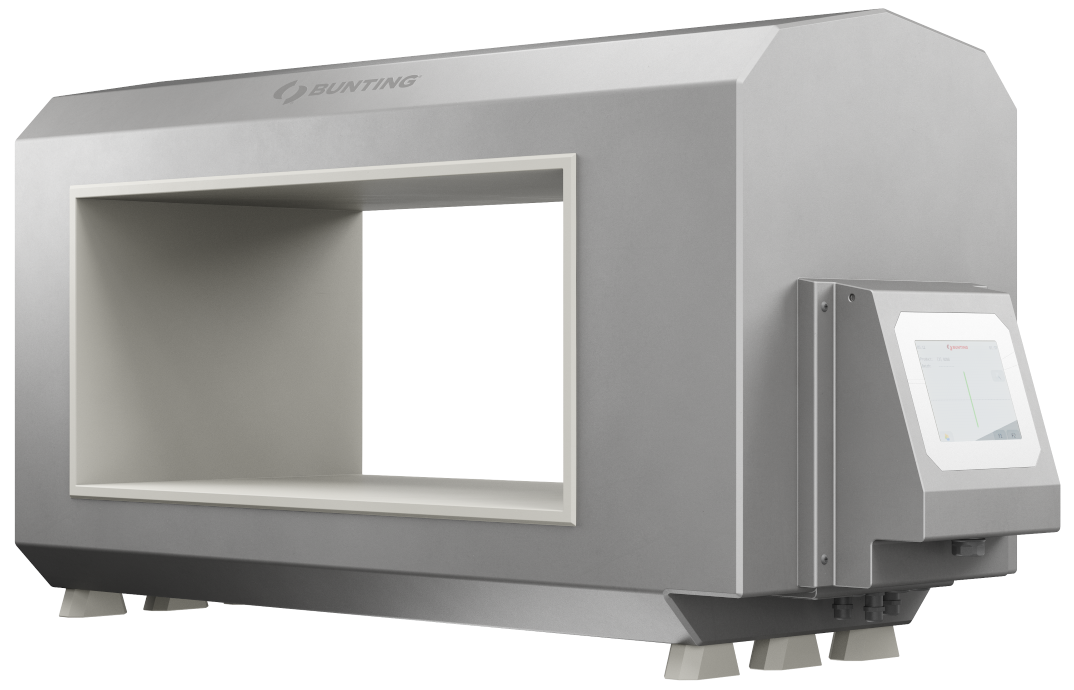
Conveyor Metal Detection
Inspect unpackaged or packaged products on an engineered conveyor with detection, controls and optional automatic rejection in one integrated system.
Powder and bulk expertise
Designed Around the Way Your Material Moves
The correct equipment depends on your product and process—not simply the name of the magnet or detector. CMT works with Bunting to evaluate the application and identify the appropriate technology, magnetic circuit, cleaning method and installation point.
Hoppers, chutes, bag dumps, mixer discharges and packaging lines.
Pressure and vacuum lines carrying powders, granules and ingredients.
Pumped products requiring magnetic separation or inline detection.
Open bulk product, packaged goods and final inspection systems.

Markets served by CMT
Food, Pharmaceutical, Chemical & Bulk Processing Applications
CMT supports Bunting magnetic separation and metal detection applications across a wide range of processing industries in North Carolina and South Carolina.
Manufacturer expertise plus local support
Why Bunting and Carolina Material Technologies?
Bunting Magnetics
Proven separation and inspection technology backed by in-house engineering and manufacturing experience.
- Magnetic separation expertise dating to 1959
- Magnetic separators, metal detectors and conveyors
- Standard and custom-engineered equipment
- Solutions for gravity, pneumatic, liquid and belt applications
- Equipment designed around product and process requirements
Carolina Material Technologies
Local application support from a team that understands both the contamination-control device and the surrounding material-handling system.
- Local site visits throughout North and South Carolina
- Application review based on your actual material and process
- Support selecting installation points and cleaning methods
- Integration with feeders, conveyors, mixers, valves and controls
- One local source for components, equipment and complete systems
Application review process
Selecting the Right Magnetic Separator or Metal Detector
A few key application details allow CMT and Bunting to recommend a more effective and reliable solution.
Review the Material
Identify bulk density, particle size, flowability, temperature, moisture, abrasiveness and product characteristics.
Review the Process
Determine whether the product moves by gravity, pneumatic line, liquid pipeline, conveyor or another transfer method.
Define the Objective
Clarify whether the priority is equipment protection, product purity, final inspection or automatic contamination rejection.
Select and Integrate
Match the equipment, magnetic circuit, controls, reject device, transitions and maintenance access to the application.
Product resources
Explore Bunting Product Literature
Review additional literature covering Bunting magnetic separators, metal detection systems and related processing equipment. CMT can help narrow the available options to the products that fit your specific process.
Frequently asked questions
Bunting Magnetic Separation & Metal Detection FAQs
What is the difference between magnetic separation and metal detection?
Magnetic separators physically attract and retain ferrous or magnetically susceptible contamination. Metal detectors sense ferrous, non-ferrous and stainless-steel contaminants and can activate an alarm or automatic reject device.
Should a food or bulk processing plant use both magnets and metal detectors?
Many processes benefit from both. Magnets can continuously remove ferrous contamination and protect equipment earlier in the process, while metal detectors provide broader inspection at critical control points or before finished product shipment.
Where should a magnetic separator be installed?
Common installation points include ingredient receiving, bag dumping, hopper discharge, pneumatic transfer lines, mixer inlets and outlets, before mills or sifters and ahead of packaging. The best location depends on the process objective and available access.
Can Bunting equipment be added to an existing process?
Yes. Many magnetic separators and metal detectors can be fitted into existing chutes, pipelines, conveyors and equipment transitions. CMT can review the available space, connection sizes, product flow and maintenance access.
Can metal detectors inspect pneumatically conveyed powders?
Yes. Pneumatic metal detection systems are available for powders, granules and other products moving through pressure or vacuum conveying lines. The system can be paired with a reject mechanism suited to the application.
What information is needed to select a magnetic separator?
Helpful information includes product name, bulk density, particle size, temperature, moisture, abrasiveness, flow rate, pipeline or chute size, conveying method, expected contamination and preferred cleaning method.
Are sanitary and food-processing configurations available?
Bunting offers equipment intended for food and pharmaceutical processing, including stainless-steel magnetic separators, sanitary liquid separators and metal detection systems. The exact construction should be selected according to the product and sanitation requirements.
Can CMT provide surrounding feeders, conveyors, valves or controls?
Yes. Carolina Material Technologies can help integrate Bunting equipment with feeders, mechanical or pneumatic conveyors, valves, mixers, bulk bag equipment, dust collection, controls and complete material-handling systems.
Does CMT provide onsite support in North Carolina and South Carolina?
Yes. CMT provides local application support and can visit processing facilities throughout North and South Carolina to review contamination risks, equipment locations and installation requirements.
Start with the application
Protect Your Product Before Metal Becomes a Larger Problem
Send CMT your material, process arrangement, conveying method, flow rate and contamination concern. We will help identify the right combination of magnetic separation, metal detection, rejection and system-integration technology.